Spring Into Comfort: How the Right Shoes Can Protect Your Feet (and Your Health)
Spring footwear can impact your foot health. Learn how the right shoes help prevent blisters, wounds, and diabetic foot complications.
Spring is in the air. The days are longer; the weather is warmer, and naturally—people are stepping outside more. Whether it’s a morning walk, gardening, running errands, or simply enjoying the sunshine, your feet are doing more work than they have all winter.
But here’s something most people overlook: your choice of shoes this season can either support your health—or silently put you at risk.
At Healing Hands Wound Care & Surgery, we often see an increase in foot wounds during the spring months. And surprisingly, many of these wounds start with something as simple as… the wrong pair of shoes.
Why Spring Can Be Risky for Your Feet
After months of closed, cushioned winter footwear, people switch to lighter options— sandals, flats, or worn-out sneakers. While they may feel breathable and convenient, they often lack the support and protection your feet actually need.
This shift can lead to:
Increased friction and pressure points
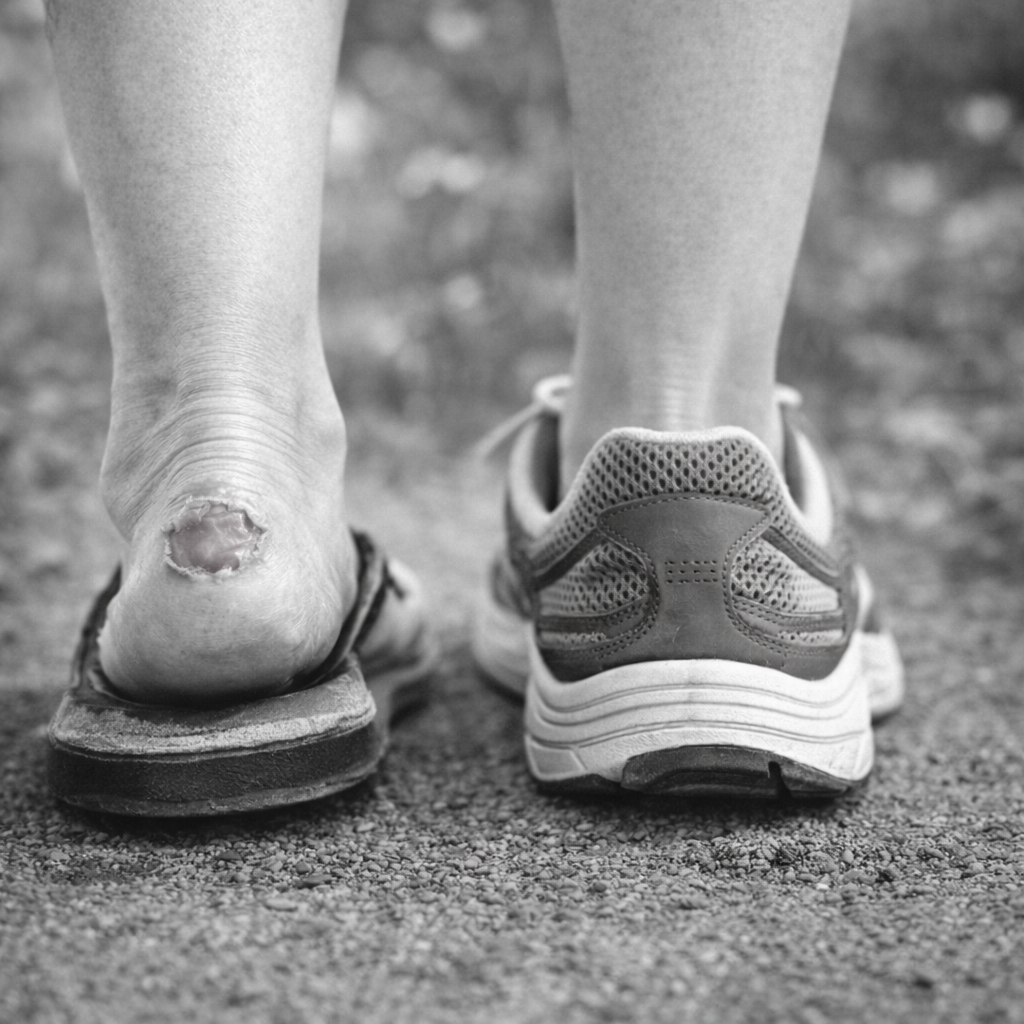
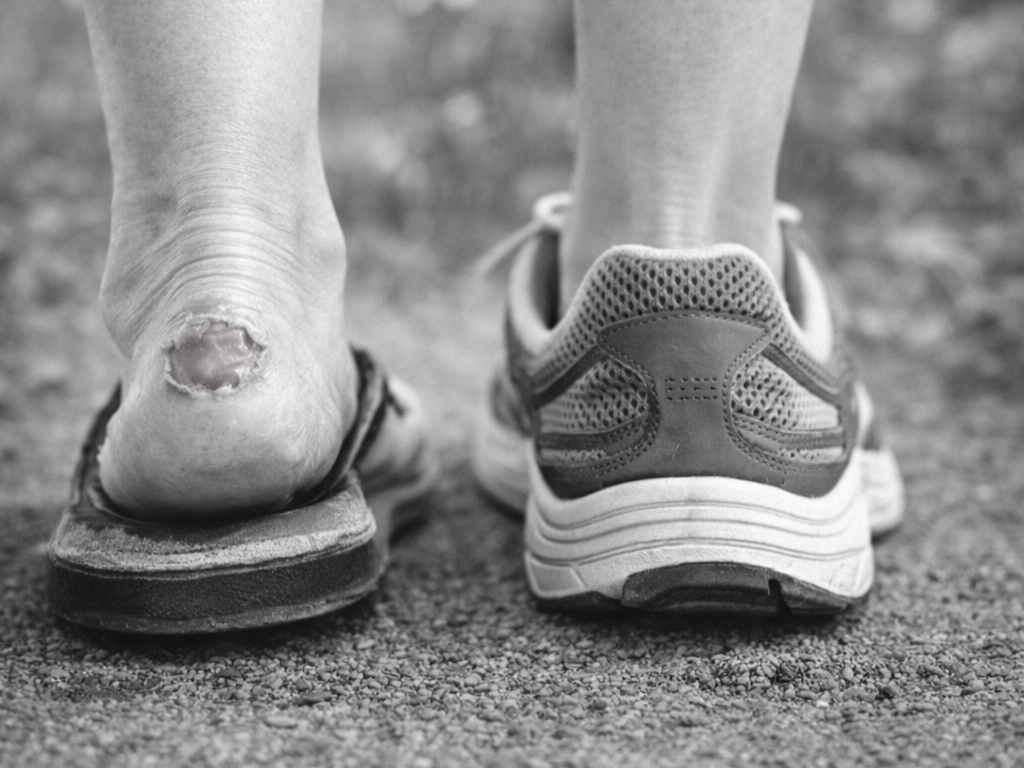
Skin breakdown and blisters
Worsening of existing foot conditions
Higher risk of infection—especially for diabetic patients
And the tricky part? Many of these issues start small… and go unnoticed until they become serious.
The Hidden Danger: Pressure & Friction
Shoes that are too tight, too loose, or poorly structured can create constant pressure and rubbing against the skin.
Over time, this can cause:
Blisters that open into wounds
Corns and calluses that crack
Pressure ulcers (especially on heels, toes, and the ball of the foot)
For someone with healthy circulation, this may heal with care. But for patients with diabetes or compromised healing? This can quickly escalate into chronic, non-healing wounds.
For Diabetic Patients: Shoes Matter Even More
If you or a loved one has diabetes, footwear isn’t just about comfort—it’s a critical part of wound prevention.
Diabetes can lead to:
Reduced sensation in the feet (neuropathy)
Poor circulation
Delayed healing
This means a small blister from a tight shoe might not even be felt… until it becomes an ulcer.
Diabetic foot ulcers are one of the leading causes of serious complications—but they are often preventable with the right footwear and early care.
What to Look for in a “Wound-Safe” Shoe
When choosing shoes this spring, keep these essentials in mind:
✔️Proper Fit
Your shoes should feel snug—but never tight. There should be enough room to wiggle your toes without friction.
✔️Cushioned
Soles Shock-absorbing soles reduce pressure on high-impact areas like the heel and ball of the foot.
✔️Breathable
Material Look for mesh or soft leather to keep moisture from building up (which can lead to skin breakdown).
✔️Seamless
Interior Fewer internal seams = less rubbing = lower risk of wounds.
✔️Supportive
Structure Arch support and heel stability are key, especially if you’re walking more this season.
Spring Shoe Recommendations (Comfort Meets Protection)
If you’re looking for footwear that balances comfort, support, and foot health, here are some trusted options:
Hoka – Known for their plush cushioning and shock absorption, ideal for long walks
and pressure relief
New Balance – Offers wide sizes and structured support, great for reducing friction
Brooks Running – Designed for stability and even weight distribution
Orthofeet – Specifically engineered for diabetic and sensitive feet
Vionic – Combines style with podiatrist-designed arch support
These brands are not just about comfort—they’re about protecting your feet from preventable injuries.
What to Avoid This Season
While spring fashion is tempting, try to limit:
Thin flip-flops with no support
Tight or narrow shoes that squeeze the toes
Worn-out sneakers with uneven soles
Backless shoes that cause constant friction
A good rule of thumb: If your shoes leave marks on your skin—they’re already causing damage.
When to Seek Help
If you notice:
A blister that isn’t healing
Redness, swelling, or warmth
Cracked skin or open sores
Any wound on a diabetic foot
Don’t wait.
Early treatment can prevent complications—and in many cases, save you from long-term damage.
Step Into Spring—Safely
This season is about movement, renewal, and enjoying life outdoors. The right shoes don’t just complete your outfit—they protect your health, your mobility, and your independence.
At Healing Hands Wound Care & Surgery, we believe prevention is just as important as treatment. And sometimes, it starts with something as simple as what you wear on your feet.
Located in Columbia, MD
Call us at 443-576-5433
Monday Hours: 1 PM – 5 PM
Don’t ignore wounds—get expert care when you need it